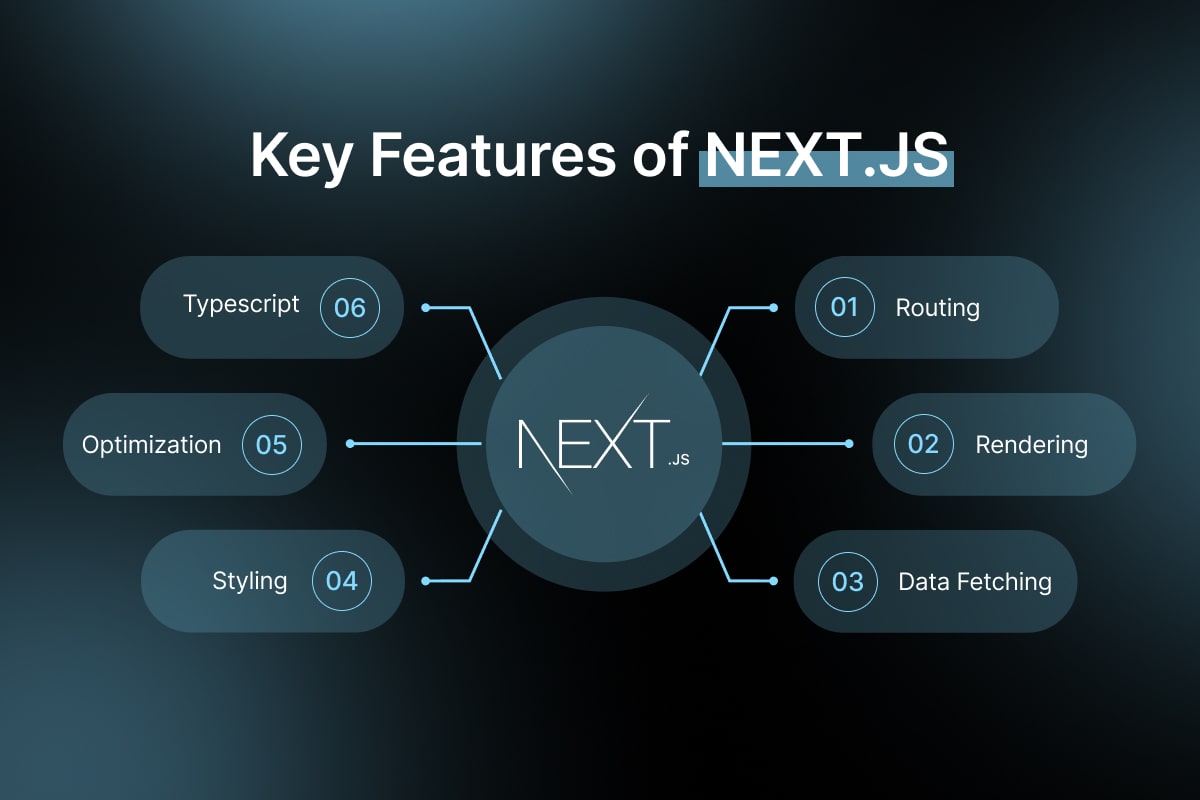
Search engines have changed how they crawl and score modern JavaScript applications, and Next.js has changed right along with them. If you’re building a blog, SaaS marketing site, or content platform in 2026, the App Router combined with React Server Components is now the default recommendation for anyone serious about both performance and search visibility. This guide breaks down exactly how to structure a Next.js project so it ranks well, loads fast, and stays maintainable as your content grows.
Over the last few release cycles, Next.js has quietly become less of a “React framework with some SEO perks” and more of a full publishing platform. Teams migrating from WordPress, Webflow, or older Create React App setups consistently report faster indexing times, better Core Web Vitals scores, and fewer duplicate-content headaches once they move to the App Router. Part of that comes from the framework itself, and part comes from Google’s broader shift toward evaluating real-user experience metrics rather than just keyword density. Understanding how these two forces intersect is the difference between a blog that ranks on page one and one that quietly sits on page four no matter how much content gets published.
This guide is written for developers and technical marketers who already know the basics of Next.js but want a deeper, more complete playbook: what to configure, what to avoid, and which keywords and content patterns actually move the needle in 2026’s search landscape.
Why Next.js Is Still the SEO-Friendly Framework of Choice
Search engines reward pages that load quickly, render meaningful HTML on the first request, and offer a stable layout without content jumping around. Next.js checks all three boxes out of the box through server-side rendering, static generation, and streaming. Unlike traditional single-page apps that rely entirely on client-side JavaScript to paint content, Next.js sends fully-formed HTML to the browser (and to crawlers) before any JavaScript even executes. That single architectural choice remains one of the biggest reasons Next.js sites consistently outperform plain React apps in organic search.
There’s also a less obvious advantage: predictability. Because rendering strategy is chosen per-route (static, dynamic, or streamed), teams can make deliberate tradeoffs instead of accepting a one-size-fits-all rendering model. A pricing page can be statically generated and cached at the edge, while a personalized dashboard renders dynamically per request — and both can coexist in the same codebase without fighting the framework. For SEO specifically, this means your highest-value, most keyword-dense pages (blog posts, landing pages, category pages) can be pushed toward the fastest possible rendering path, while account-specific or highly dynamic pages don’t have to compromise that speed.
Core SEO Building Blocks in the App Router
1. Metadata API — Instead of manually writing <head> tags, the App Router’s generateMetadata function lets you define titles, descriptions, Open Graph tags, and canonical URLs dynamically per route, based on real data like a blog post’s title or a product’s price. Because this function runs on the server and can be async, it’s straightforward to pull the title and excerpt straight from your CMS or database and generate a unique, keyword-relevant <title> and meta description for every single post — no manual duplication, no forgotten pages with default placeholder titles.
2. Streaming and Suspense — Large pages no longer need to block on every data fetch. Streaming lets the shell of a page reach the browser instantly while slower components load in later, improving Core Web Vitals like Largest Contentful Paint (LCP). For a blog, this typically means the article body and headline render immediately, while comments, related-posts widgets, or personalized recommendations stream in afterward without holding up the perceived load time that both users and search crawlers measure.
3. Static and Incremental Regeneration — For blogs specifically, combining Static Site Generation (SSG) with Incremental Static Regeneration (ISR) means pages are pre-built for speed but still refresh automatically when content changes, without a full redeploy. Setting a revalidate window (say, 3600 seconds) lets you strike a balance: pages are served from cache for near-instant load times, but they’re never more than an hour stale, which matters for time-sensitive content like news roundups or pricing updates.
4. Structured Data — Adding JSON-LD schema (Article, FAQ, BreadcrumbList, HowTo) directly inside Server Components helps search engines understand context and can unlock rich snippets in search results, such as star ratings, FAQ dropdowns, or breadcrumb trails directly in the SERP. Because Server Components can fetch data and render JSON-LD server-side, the structured data is present in the initial HTML payload — no reliance on client-side JavaScript executing before a crawler can read it.
5. Image and Font Optimization — next/image and next/font automatically handle lazy loading, responsive sizing, and self-hosted fonts, all of which feed directly into Core Web Vitals scoring. Self-hosting fonts through next/font in particular eliminates the render-blocking request to third-party font CDNs, which historically has been one of the most common causes of Cumulative Layout Shift (CLS) penalties on content-heavy sites.
6. Route-Level Caching and Edge Rendering — The App Router’s fetch-level caching, combined with edge runtime support, lets you serve statically-generated pages from a CDN edge node physically closer to the visitor. Lower latency doesn’t just make users happier — Google’s Core Web Vitals thresholds are stricter for slower connections and geographies, so shaving round-trip time at the network layer directly improves your field-data scores in Search Console.
7. Internationalization (i18n) Routing — For blogs targeting multiple regions or languages, the App Router’s built-in support for locale-based routing (e.g., /en/blog/post, /es/blog/post) paired with hreflang tags in metadata prevents duplicate-content penalties across language variants and ensures the right localized page surfaces in the right regional search results.




Leave a Reply